Introduction
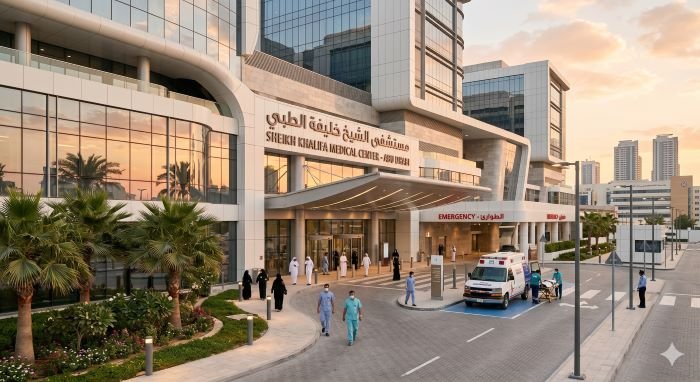
The healthcare sector in the United Arab Emirates (UAE) continues to grow as the country invests in hospitals, clinics, medical centers, and specialized healthcare services. This growth creates opportunities for healthcare professionals across multiple disciplines.
From doctors and nurses to laboratory technicians and healthcare administrators, medical professionals play a vital role in supporting patient care and public health services throughout the UAE.
This guide explores healthcare careers, required skills, qualifications, and career development opportunities available in 2026.
Why Choose a Healthcare Career in the UAE?
Healthcare remains one of the most respected and essential professional sectors.
Benefits may include:
- Professional growth opportunities
- Modern healthcare facilities
- International work environment
- Continuous learning opportunities
- Diverse career paths
- Exposure to advanced medical technologies
Healthcare professionals often have opportunities to develop specialized expertise throughout their careers.
Major Healthcare Employers in the UAE
Healthcare professionals may find opportunities in:
- Hospitals
- Clinics
- Medical centers
- Rehabilitation facilities
- Diagnostic laboratories
- Home healthcare services
- Specialized treatment centers
Different organizations may offer varying career paths and work environments.
Popular Healthcare Jobs in UAE
Doctors and Physicians
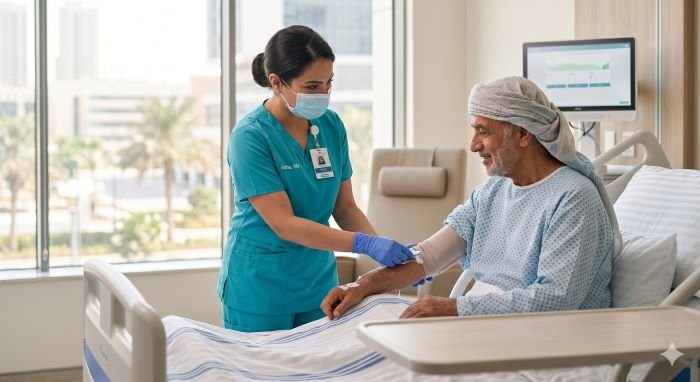
Doctors provide diagnosis, treatment, and patient care across numerous specialties.
Examples include:
- General Practitioners
- Internal Medicine Specialists
- Pediatricians
- Cardiologists
- Dermatologists
- Surgeons
Strong medical knowledge and professional competence are essential.
Nurses
Nurses are among the most important healthcare professionals.
Responsibilities may include:
- Patient care
- Health monitoring
- Medication administration
- Patient education
- Clinical support
Communication and compassion are key strengths in nursing careers.
Laboratory Technicians
Laboratory professionals assist in diagnostic testing and analysis.
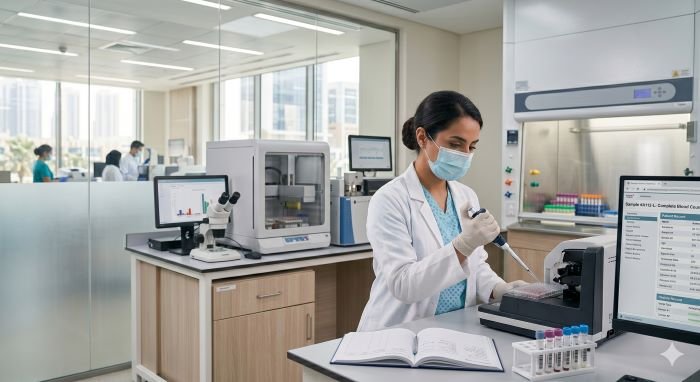
Responsibilities may include:
- Sample collection
- Laboratory testing
- Equipment operation
- Quality control procedures
Attention to detail is particularly important in laboratory environments.
Pharmacists
Pharmacists support safe medication use and patient education.
Common responsibilities include:
- Dispensing medications
- Reviewing prescriptions
- Patient counseling
- Medication management
Professional accuracy is essential.
Radiology Professionals
Imaging specialists help healthcare providers diagnose and monitor medical conditions.
Examples include:
- Radiographers
- Imaging Technologists
- MRI Technicians
- CT Scan Technicians
Technical expertise is important in these roles.
Healthcare Administration
Healthcare organizations also require administrative professionals.
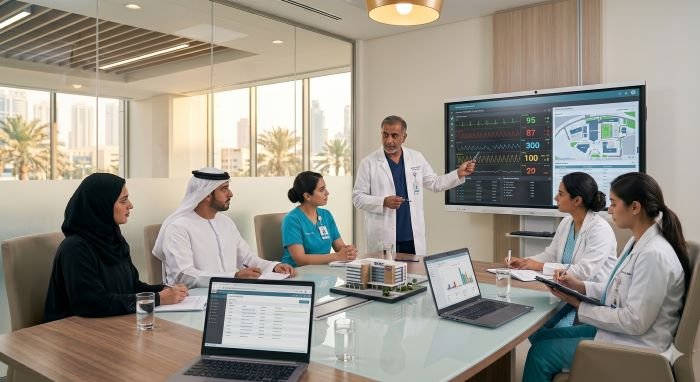
Examples include:
- Medical Receptionists
- Healthcare Coordinators
- Administrative Officers
- Medical Records Specialists
Organizational skills contribute significantly to these positions.
Skills Required for Healthcare Jobs
Communication Skills
Healthcare professionals interact with patients, families, and colleagues regularly.
Attention to Detail
Accuracy is critical in healthcare environments.
Teamwork
Patient care often involves collaboration among multiple professionals.
Problem-Solving
Healthcare situations frequently require critical thinking and decision-making.
Professional Ethics
Maintaining ethical standards is fundamental in medical practice.
Education and Qualifications
Requirements vary according to profession and specialization.
Healthcare employers may evaluate:
- Academic qualifications
- Professional licenses
- Clinical experience
- Specialized certifications
- Continuing education records
Candidates should review specific requirements for their intended role.
- Hotel Jobs in Dubai 2026 – Complete Career Guide, Skills, Requirements and Growth Opportunities
- Best Cities in UAE for Job Seekers in 2026 – Complete Career and Living Guide
- UAE Visit Visa to Work Visa Process 2026 – Complete Guide for Job Seekers
- UAE Labour Law Guide 2026 – Employee Rights, Working Hours, Leave and Employment Rules
- Dubai Jobs for Freshers in 2026 – Complete Career Guide for Beginners
Importance of Continuing Professional Development
Healthcare is constantly evolving.
Professionals should focus on:
- Medical training
- Industry updates
- New technologies
- Professional certifications
- Skill enhancement programs
Continuous learning supports long-term career growth.
Career Opportunities for Fresh Graduates
Healthcare organizations may offer opportunities for:
Graduate Nurses
Entry-level nursing positions can provide valuable clinical experience.
Medical Laboratory Graduates
Laboratory environments often provide training opportunities.
Administrative Roles
Healthcare administration can be an excellent starting point for career development.
Allied Health Professionals
Various support roles contribute to patient care and healthcare operations.
How to Prepare for Healthcare Job Applications
Create a Professional CV
Highlight qualifications, experience, and certifications clearly.
Organize Documentation
Maintain updated records of:
- Degrees
- Certifications
- Experience certificates
- Professional training
Research Employers
Understand organizational values, services, and expectations.
Prepare for Interviews
Practice professional and role-specific interview questions.
Common Mistakes Job Seekers Make
Incomplete Documentation
Missing information can delay recruitment processes.
Ignoring Continuing Education
Professional development remains important throughout a healthcare career.
Poor Interview Preparation
Preparation can improve confidence and performance.
Failing to Highlight Relevant Skills
Clearly presenting strengths can strengthen applications.
Career Growth in Healthcare
Healthcare offers multiple advancement opportunities.
Professionals may progress through:
- Entry-level roles
- Specialist positions
- Supervisory responsibilities
- Department leadership
- Senior management roles
Long-term success often depends on continuous learning and professional excellence.
Workplace Professionalism in Healthcare
Important professional qualities include:
- Respectful communication
- Reliability
- Accountability
- Compassion
- Ethical decision-making
These characteristics contribute to positive patient experiences and effective teamwork.
Frequently Asked Questions
Q1. Are healthcare professionals in demand in the UAE?
Healthcare continues to be an important and growing sector.
Q2. Is continuing education important?
Yes. Healthcare professionals are encouraged to maintain and expand their knowledge.
Q3. Can fresh graduates find healthcare opportunities?
Many organizations provide opportunities suitable for qualified graduates.
Q4. Which skills are most important?
Communication, professionalism, teamwork, attention to detail, and problem-solving are highly valued.
Conclusion
Healthcare careers in the UAE offer rewarding opportunities for professionals who are committed to learning, patient care, and professional development. From nursing and medicine to laboratory services and healthcare administration, the sector provides diverse career paths and opportunities for growth.
By building strong skills, maintaining professional standards, and continuing to develop expertise, healthcare professionals can achieve long-term success in one of the UAE’s most important industries.